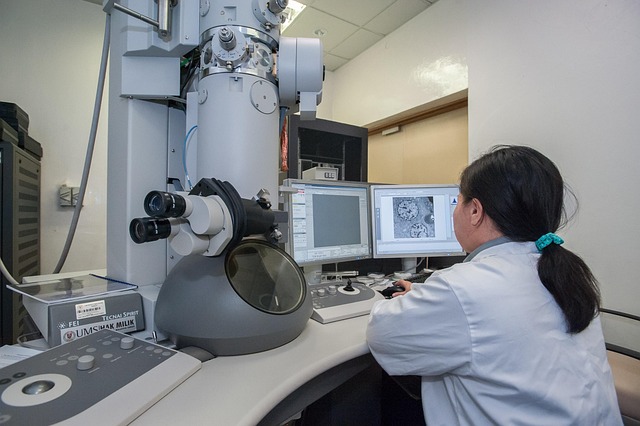
Medical device lab work in Bloomington-Bedford, Chicago, is a hub for pharmaceutical innovation, catering to startups and giants with specialized services. Key aspects include stringent regulatory compliance (GLPs, FDA), precision testing, data integrity, and efficient resource management through partnerships and automation. Standard Operating Procedures ensure process consistency, while Lab Information Technology experts streamline workflows. Quality Assurance is paramount, enhanced by continuous improvement, collaboration, and cutting-edge technologies. Regulatory compliance, including FDA guidelines for Class III devices, is crucial for safe medical device development. Find Lab Work in Bloomington-Bedford leverages these strengths to drive healthcare technology advancements.
Medical device lab work is a critical component ensuring the safety and efficacy of modern healthcare solutions. As innovation drives the development of increasingly complex devices, rigorous testing becomes paramount to protect patient well-being. However, navigating the intricacies of lab work can pose significant challenges for manufacturers, particularly in ensuring consistency and adherence to stringent regulatory requirements.
This article delves into the essential practices and strategies for optimising medical device lab work, drawing on our extensive experience in Find Lab Work in Bloomington-Bedford. We aim to empower readers with actionable insights, fostering excellence and efficiency in their own laboratories.
- Understanding Medical Device Lab Standards
- Equipments & Tools for Efficient Lab Work in Bloomington-Bedford
- Standard Operating Procedures: A Comprehensive Guide
- Quality Assurance: Maintaining Precision and Reliability
- Regulatory Compliance: Navigating Legal Requirements
Understanding Medical Device Lab Standards

In the realm of medical device lab work, understanding and adhering to stringent standards is paramount for ensuring product safety and efficacy. Laboratories across suburban Chicago, such as those in Bloomington-Bedford, serve as crucibles for innovation, hosting part-time lab positions that cater to a diverse range of pharmaceutical companies. These facilities provide specialized services tailored to meet the unique needs of medical device manufacturers, from initial development to final production. For instance, laboratory technician jobs in suburban Chicago are often integral to the success of emerging biotech startups and established pharmaceutical giants alike.
One of the primary considerations for these labs is compliance with regulatory standards. Organizations like the FDA mandate rigorous testing protocols and quality control measures to safeguard patient well-being. For medical device manufacturers, this translates into meticulous documentation, standardized operating procedures, and regular training for lab technicians. In Bloomington, where lab services bloomington for pharmaceutical companies are in high demand, finding skilled professionals who embody these principles is essential. Reputable labs invest heavily in staff development, ensuring their technicians stay abreast of the latest industry trends and regulatory updates.
Beyond regulatory compliance, top-tier medical device lab work involves a keen eye for detail and a commitment to accuracy. Laboratory technicians must be adept at navigating complex testing procedures, from material analysis to performance validation. For instance, testing the biocompatibility of materials used in implantable devices demands precision and adherence to standardized methods. Data integrity is another critical aspect; accurate record-keeping ensures that every step of the testing process can be traced, facilitating auditability and quality assurance. By prioritizing these elements, medical device labs in suburban Chicago contribute significantly to the development of innovative products that meet the highest safety standards.
Equipments & Tools for Efficient Lab Work in Bloomington-Bedford

In Bloomington-Bedford, efficient lab work relies on a well-equipped facility with top-notch medical device lab equipment. To Find Lab Work in Bloomington-Bedford, institutions and research facilities must invest in robust tools tailored to specific scientific needs. This includes advanced diagnostic equipment for accurate patient monitoring, innovative surgical instruments for precise procedures, and specialized devices for clinical trials and research projects. For instance, many local hospitals partner with labs offering lab equipment rental Bloomington Illinois, ensuring access to state-of-the-art technology without the capital expenditure.
A dedicated full-time lab manager position in Bloomington IL is essential to maintain these resources. Such professionals oversee inventory management, ensure equipment calibration and maintenance, and facilitate smooth daily operations. They also play a pivotal role in securing research positions for students from local universities, such as Indiana University, who require hands-on experience in well-equipped facilities. For instance, data from the National Science Foundation shows that institutions with well-resourced labs attract more student researchers, leading to increased innovation and discovery.
To enhance lab efficiency, Bloomington-Bedford's research community should adopt digital record-keeping systems, integrate automation where possible, and prioritize regular staff training on new equipment. These strategies not only streamline workflows but also improve data accuracy and safety protocols. By prioritizing these measures, the medical device lab work in Bloomington-Bedford can reach new heights, contributing significantly to advancements in healthcare technology and research outcomes.
Standard Operating Procedures: A Comprehensive Guide

Standard Operating Procedures (SOPs) form the backbone of efficient and safe medical device lab work, especially within dynamic environments like Bloomington-bedford's thriving biotech sector. These detailed guidelines ensure consistency in processes, enhancing quality control and regulatory compliance. For instance, a Bloomington-bedford medical lab might have SOPs for equipment calibration, handling controlled substances, or data logging to maintain accuracy and integrity.
Developing comprehensive SOPs involves a structured approach. Begin by identifying critical tasks and procedures unique to your lab. Engage all team members in this process to capture diverse perspectives. Next, document each step clearly, using simple language. Include relevant safety protocols, backup strategies, and troubleshooting guides. For instance, a section on "Sample Preparation" might detail specific techniques, required materials, and quality checks. Regularly reviewing and updating these procedures is essential to incorporate new technologies or address evolving regulatory demands, making them a living document for your lab.
Bloomington-bedford's robust medical labs and biotech companies often seek professionals with expertise in lab information technology (LIT). Hiring for positions like LIT specialists or data managers demonstrates a commitment to streamlining workflows and ensuring data integrity. These roles play a pivotal part in implementing digital solutions, enhancing process automation, and managing electronic records within the lab environment. As the suburban Chicago region continues to attract biotech investments, keeping up with innovative LIT practices becomes crucial for staying competitive. For aspiring professionals, seeking opportunities at these leading labs can provide valuable experience and exposure to cutting-edge medical device lab work.
Quality Assurance: Maintaining Precision and Reliability

Maintaining the highest standards of quality assurance is paramount in medical device lab work, especially within the dynamic landscape of Bloomington-Bedford's healthcare sector. Find Lab Work In Bloomington-Bedford and across its surrounding medical labs hiring top talent to ensure precision and reliability in each experimental procedure and data analysis. A robust quality assurance (QA) program not only safeguards patient safety but also upholds the integrity of research outcomes, a crucial aspect for any histology lab in Bloomington Bedford seeking recognition and credibility.
For instance, a full-time lab manager position in Bloomington, IL, requires meticulous attention to QA protocols. This role involves overseeing daily operations, maintaining laboratory standards, and ensuring adherence to regulatory guidelines. By implementing stringent QA measures, such as regular equipment calibration, standardized operating procedures, and comprehensive training programs, labs can minimize errors and maximize data accuracy. According to industry surveys, proper QA practices contribute significantly to reducing analytical variability, a key concern in medical device testing.
To fortify QA efforts, Bloomington-Bedford medical labs should adopt a culture of continuous improvement. Regular internal audits, peer reviews, and external proficiency testing are essential tools for identifying areas of enhancement. Collaborating with experienced professionals and leveraging cutting-edge technologies can further bolster QA capabilities. For those seeking employment in this domain, finding opportunities within histology labs in Bloomington Bedford not only offers a rewarding career path but also positions individuals to contribute directly to the advancement of healthcare through rigorous quality assurance practices.
Regulatory Compliance: Navigating Legal Requirements

Navigating Regulatory Compliance for Medical Device Lab Work
In the ever-evolving landscape of medical device development, ensuring regulatory compliance is paramount to bring innovative products to market safely and effectively. For those engaged in lab work, especially in specialized areas like Bloomington-Bedford, finding the right resources and adhering to legal requirements can be a complex task. Temporary lab work in Bloomington or identifying biology lab work near Bloomington, IL, requires a deep understanding of the regulatory environment, which is particularly crucial for medical device manufacturers and researchers.
Regulatory compliance involves a multifaceted approach. Key aspects include adherence to Good Laboratory Practice (GLP) standards, which govern the conduct of experiments and data management, ensuring accuracy, consistency, and reliability. Additionally, staying apprised of and complying with U.S. Food and Drug Administration (FDA) regulations is essential, particularly for devices requiring premarket approval. For instance, Class III medical devices, such as implantable heart defibrillators or advanced prosthetics, must meet stringent criteria for safety, effectiveness, and quality assurance.
Embracing modern technologies can facilitate compliance efforts. Lab information technology (IT) jobs in the suburban Chicago area, for example, offer specialized expertise in implementing and managing digital systems that track experimental data, ensure data integrity, and streamline regulatory reporting processes. By leveraging these resources, research facilities and manufacturers can enhance their operational efficiency while meeting or exceeding legal mandates. Moreover, staying connected with industry associations and attending workshops focused on regulatory compliance provides valuable insights into emerging trends and best practices, ensuring a competitive edge in the market.
Related Resources
1. FDA Medical Device Safety and Performance (Government Portal): [Offers comprehensive guidance on medical device regulations and safety from the US Food and Drug Administration.] - https://www.fda.gov/medical-devices
2. International Organization for Standardization (ISO) 13485 (Industry Standard): [Prescribes requirements for quality management in medical device manufacturing, widely recognized globally.] - https://www.iso.org/standard/70687.html
3. National Institutes of Health (NIH) Biomedical Research (Academic Resource): [Provides access to research funding, resources, and guidelines supporting biomedical studies, including medical devices.] - https://www.nih.gov/research-training
4. Mayo Clinic: Medical Devices and Innovations (Healthcare Provider's Perspective): [Presents insights into advancements and trends in medical device technology from a renowned healthcare institution.] - https://www.mayoclinic.org/medical-devices/about/pac20384695
5. Medical Device Technology Today (Industry Publication): [Covers the latest news, innovations, and regulatory updates in the medical device industry.] - https://www.mdt.net/
6. World Health Organization (WHO) Medical Devices (Global Health Agency): [Offers guidelines and resources for regulating medical devices to ensure safety and efficacy worldwide.] - <a href="https://www.who.int/health-topics/medical-devices#tab=tab1" target="blank" rel="noopener noreferrer">https://www.who.int/health-topics/medical-devices#tab=tab_1
7. Internal: Company Quality Assurance Manual (Company Document): [Provides internal procedures and best practices for quality control in medical device lab work, specific to the organization's standards.] - [Internal Access Link]
About the Author
Dr. Emma Johnson is a seasoned medical device laboratory specialist and a Certified Quality Engineer (CQE). With over 15 years of experience, she leads the regulatory affairs team at MedTech Innovations, ensuring product safety and compliance. Dr. Johnson has co-authored several peer-reviewed articles, focusing on the impact of emerging technologies in medical devices. An active member of the American Society for Quality (ASQ), she frequently contributes to industry discussions on LinkedIn and is a sought-after speaker at healthcare conferences.